

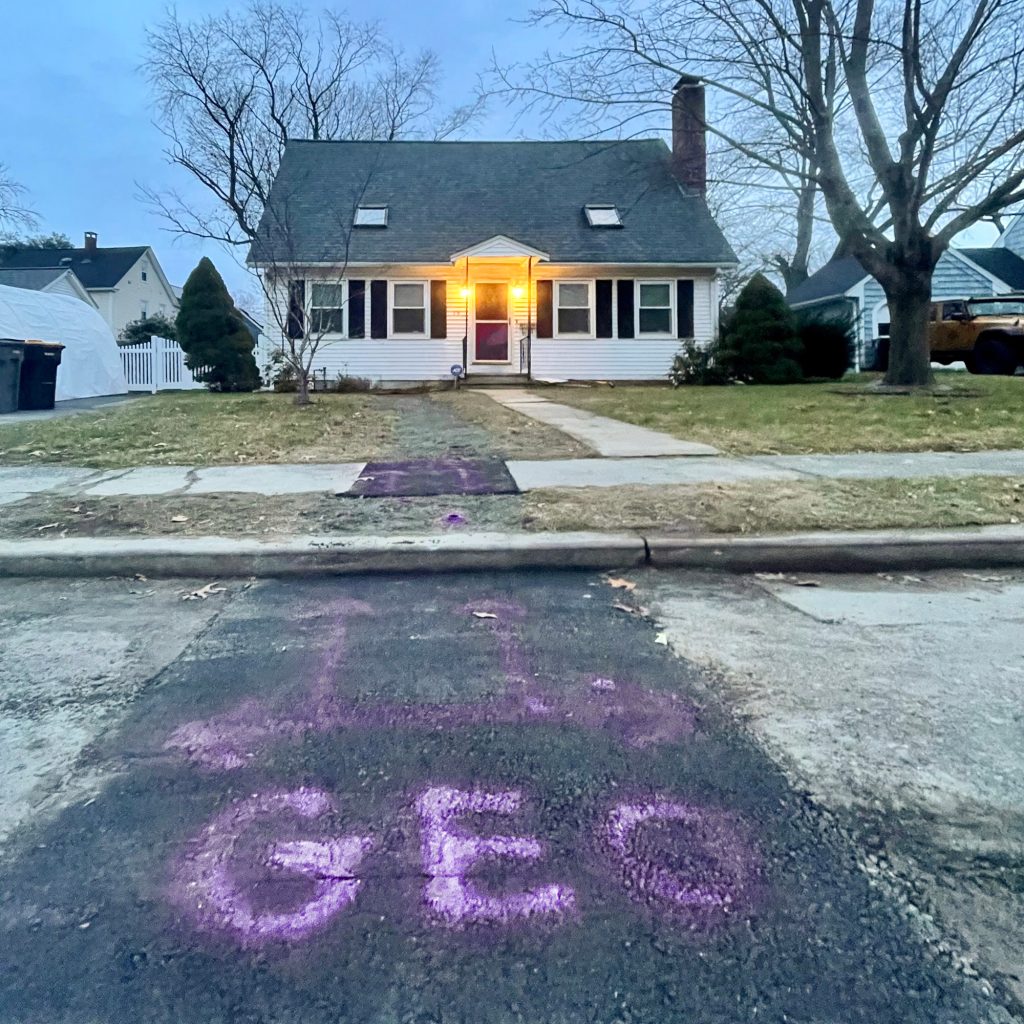
A new report from Inside Climate News highlights how Framingham, Massachusetts, is becoming a national example of how gas utilities can transition to clean thermal energy while maintaining reliable service and local jobs.
In partnership with residents and climate advocates, Eversource Energy developed one of the nation’s first utility-built networked geothermal systems. Rather than combusting fossil fuels, the system uses underground boreholes and shared loop infrastructure to move heat in and out of buildings through electric heat pumps — providing efficient heating in winter and cooling in summer.
This project represents more than a technology pilot. It reflects a shift in how utilities can evolve their infrastructure to meet state climate goals while preserving workforce continuity and customer affordability.
Key Takeaways from the Framingham Project
Utility-Led Innovation: A gas utility designed and constructed the networked geothermal system, demonstrating that utilities can lead the thermal transition.
Shared Thermal Infrastructure: Underground pipe networks distribute stable ground temperatures to multiple buildings, improving efficiency and reducing emissions.
Policy Alignment: Massachusetts legislation now enables utilities to offer geothermal heat services more broadly, creating a regulatory pathway for scaling.
Replicable Model: The Framingham system is one of more than 20 networked geothermal pilots proposed across the United States.
Equity & Affordability: By leveraging existing utility expertise and infrastructure, projects can reduce emissions while protecting jobs and delivering cost-stable heating and cooling.
The Role of the Utility Networked Geothermal Collaborative
The momentum behind projects like Framingham is strengthened by the work of the Utility Networked Geothermal Collaborative (UNGC).
UNGC brings together forward-thinking utilities to share technical insights, regulatory strategies, and pilot results in order to accelerate the responsible deployment of networked geothermal systems. Collaborative learning reduces risk, improves design standards, and supports scalable models that regulators and policymakers can confidently advance.
As more utilities evaluate alternatives to traditional gas infrastructure, coordinated efforts like UNGC help translate individual pilot projects into repeatable, system-wide solutions.
Framingham’s experience demonstrates what is possible when utilities, communities, and policymakers align around a shared vision: modern thermal networks that maintain reliability while advancing decarbonization goals.
Read the full article at Inside Climate News:
https://insideclimatenews.org/news/21122024/boston-suburb-taps-geothermal-energy/